What should I do if my scalp is prone to oiliness? Shampooing and grooming daily habits
Washed this morning, greasy by afternoon? Water temperature, where you cleanse, blow-drying, styling products and habits, without over-washing.
Oiliness on the scalp is a normal protective mechanism, but if it becomes greasy soon after washing, the hair roots are flat or smelly, you can first check the cleaning and drying methods instead of blindly adding powerful oil removal products.
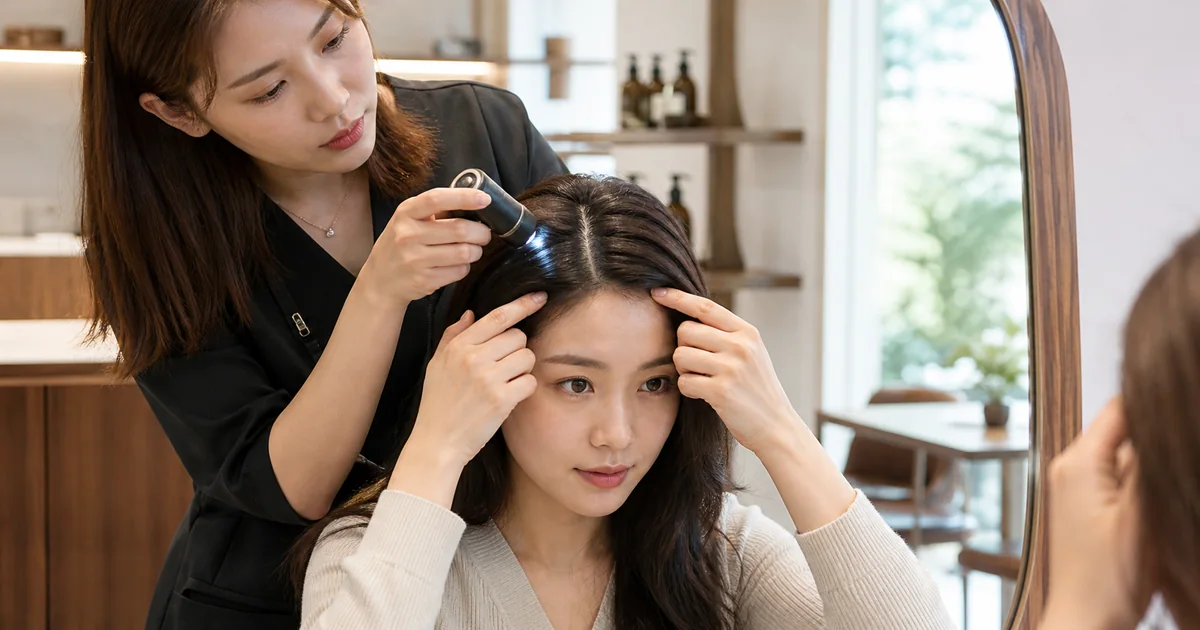
Do three things before washing your hair
- Add water to your hands to lather the shampoo, then bring it evenly to your scalp.
- Use fingertips to clean the hairline, top of the head, behind the ears and back of the head, without scratching with fingernails.
- Take enough time to rinse off to avoid product residue on the scalp.
Water temperature and blow drying also have an impact
Overheated water can easily make the scalp feel dry and irritated; wrapping wet hair for a long time after washing can also make the scalp stuffy. It is recommended to blow-dry your scalp and hair roots first, and then style the mid-lengths and ends of your hair.
Be careful with the stacking of products
Dry shampooing is fine for occasional emergencies, but it's not a replacement for a serious clean. Hair oils, no-rinse conditioners and hair waxes should be kept away from the scalp; if product accumulation causes flattening, recheck the amount and location of use.
Can be used with reading How often should you wash hair. If it is accompanied by obvious redness, swelling, large scaling, pain, or sudden massive hair loss, you should seek medical professional evaluation as a priority.
This article provides general cleaning advice and does not constitute a diagnosis of scalp disease.